About
Nothing to fix. Everything to learn.
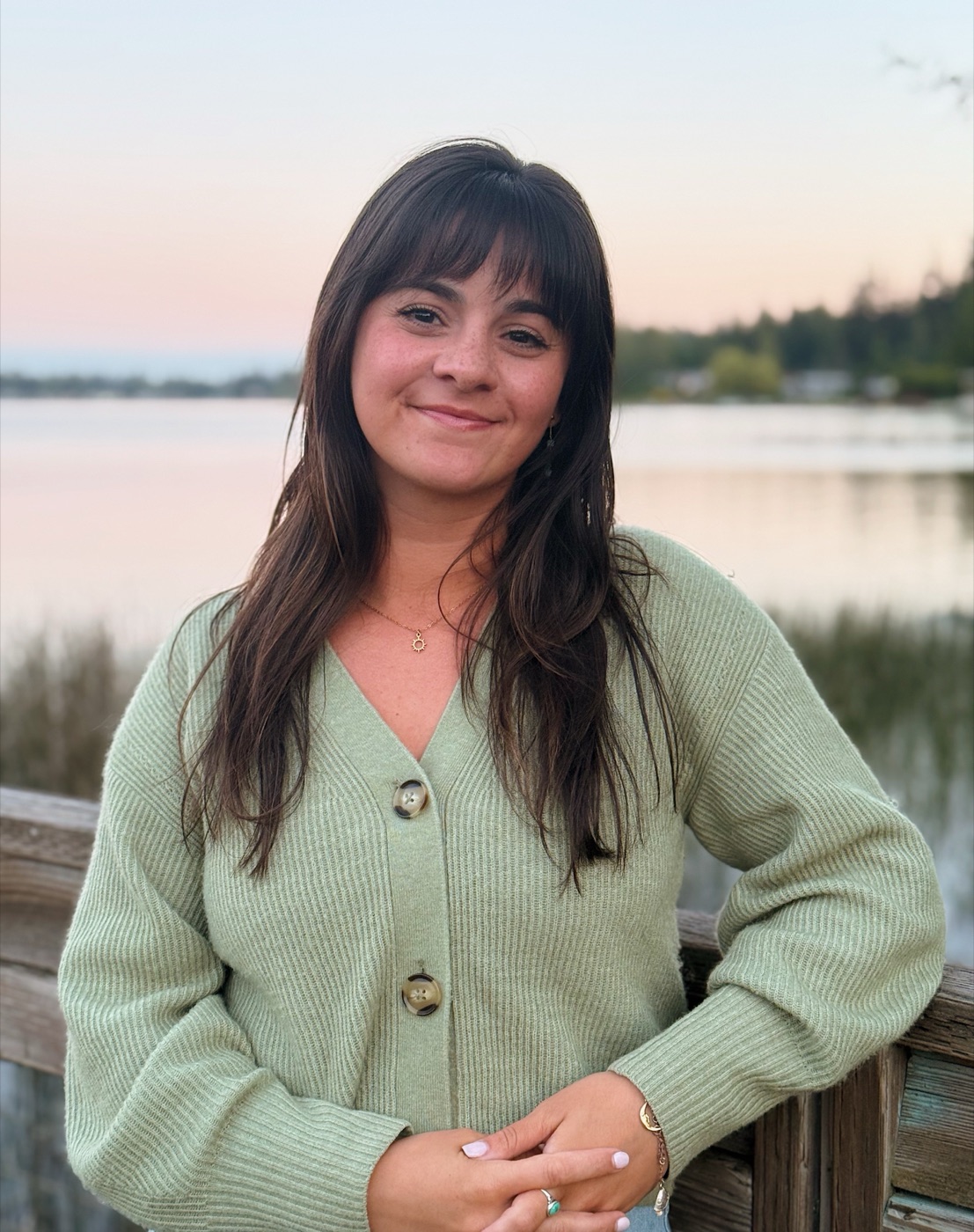
My practice is grounded in supporting adolescents (13–18), adults, couples, and families who feel overwhelmed, stuck, or that something in their life or relationships is no longer working in a sustainable way. This may show up as anxiety, depression, trauma, stress, conflict at home, or a sense of disconnection from themselves or from each other. You may have already understood your patterns yet still feel caught in them and long for change on a deeper level.
I don't see people as broken or in need of fixing. Whether I'm working with an individual, a couple, or a family, I see the ways people have learned to cope as intelligent responses to what they've been through. These strategies often help us survive, but there comes a point when they no longer feel like enough.
I hold therapy as a process of stewardship — nothing to fix and everything to learn.
Together we'll attune to what's happening in your emotional life and relationships with honesty and curiosity, and begin making space for something more grounded, authentic, and supportive to emerge.
Healing through the lens of nature
I also understand healing in relationships through the lens of nature. Humans are deeply connected with the natural world and shaped by its rhythms. People in relationships move through cycles of tension, growth, rupture, and repair. What can feel like overwhelm or falling apart is often part of a deeper process of reorganization — something within you or between you trying to restore balance, reconnect, seek support, and experience care and renewal.
In therapy, I work with clients to slow things down enough to understand what's happening beneath the surface — emotionally, relationally, and internally.
- For adolescents, this can mean making sense of intense feelings, identity shifts, or pressure from school, family, or peers.
- For adults, it can mean working with long-standing patterns of trauma or life transitions.
- For couples and families, it often means noticing how each person's ways of coping interact within the relationship, and finding new ways of relating that feel more connected and less reactive.
What inspires me
I feel deeply inspired by the patterns we see in nature — both the very small, like the microcosms and organisms living unseen beneath the ground, and the large, like ocean waves crashing, great trees connected through their roots, and the turning of the seasons.
I believe so much of that is reflected in us as people, and that we have a great deal to learn from it.
The word courage comes from cor, the Latin word for heart, and older meanings of courage point to speaking one's mind by telling all one's heart. This is the kind of courage therapy often asks for: a willingness to be honest with yourself, and open to what becomes possible from there.
I believe change does not come from forcing yourself to be different, but from understanding yourself more clearly and compassionately. There is already a deeper intelligence within you — and within your relationships — that moves toward growth, clarity, and connection when it is supported. My role is to help you listen to it, trust it, and cultivate the courage to live more fully in alignment with it.
Background & approaches
- Tarran Walter, LICSW — Licensed Independent Clinical Social Worker
- MSW, University of Washington (2022)
- Practicing in intensive mental health settings since 2022